How to Prepare Your Property for Fence Installation in Elm Grove, WI
Get your yard ready for a smoother fence installation with practical tips for property lines, landscaping, access, and local requirements.
A new fence can add privacy, improve security, and make your outdoor space more useful. But before installation begins, a little preparation can make a big difference. From checking property boundaries to clearing the fence line, preparing your yard helps prevent avoidable delays and unexpected problems.
For homeowners in Elm Grove, Wisconsin, preparing for a fence project also means considering the property's layout, existing landscaping, and local regulations. Taking care of these details ahead of time can help your fence installation go more smoothly from the initial planning stage to the finished result.
1. Decide What You Want Your Fence to Accomplish
Start by identifying the main reason for installing a fence. Your goals will influence the fence style, material, height, and layout.
For example, you may want a privacy fence around a backyard patio, a secure enclosure for pets, or a decorative fence that defines the front of your property without blocking the view.
Consider how you use your outdoor space and what you want to improve. Having a clear purpose makes it easier to compare designs and communicate your expectations to a fence contractor.
2. Confirm Your Property Boundaries
Before marking a fence line, make sure you understand where your property ends. Assuming that an existing hedge, driveway, or old fence marks the exact boundary can lead to problems later.
Review any available property survey and arrange for a professional boundary survey if the property line is uncertain. This is particularly important when the proposed fence will sit close to a neighbor's property or a shared boundary.
Confirming the boundary early can help avoid disputes, costly adjustments, and the need to relocate a newly installed fence.
3. Check Elm Grove's Fence Requirements
Fence regulations can affect the permitted location, height, and design of your project. Before purchasing materials or beginning construction, check the Village of Elm Grove's current zoning and permit requirements.
Requirements may differ depending on whether the fence is in a front, side, or rear yard, as well as the property's location and other site conditions. Corner lots and properties with special zoning considerations may need additional attention.
Contact the Village or review its official permit information to confirm which rules apply to your property. Taking care of these questions before installation can help you avoid making changes after the fence is built.
4. Clear the Proposed Fence Line
Walk along the planned fence route and identify anything that could interfere with installation.
This may include fallen branches, tall grass, overgrown shrubs, garden decorations, stored materials, or movable outdoor furniture. Removing these obstacles can make it easier for the installation crew to access the area and work efficiently.
Not every tree or shrub needs to be removed. If you want to preserve established landscaping, discuss the layout with your contractor before clearing anything. Adjusting the fence route may be possible, depending on the property's boundaries and local requirements.
5. Locate Underground Utilities
Underground utility lines are an important consideration whenever fence posts will be installed.
Before digging, arrange for the required underground utility locating service. In Wisconsin, homeowners and contractors can use Diggers Hotline to request utility marking before excavation.
Utility markings help identify buried infrastructure in the proposed work area, but they should not be treated as a substitute for following safe digging practices.
Make sure this step is completed before post holes are dug. It can help protect underground services, prevent dangerous damage, and avoid unnecessary project delays.
6. Consider Trees, Gardens, and Drainage
Existing landscaping can affect the placement of a new fence. Mature trees may have extensive root systems, while garden beds and shrubs may need enough space for future growth and maintenance.
Drainage is equally important. A fence should not obstruct the movement of water across the property or interfere with existing drainage features.
If your yard slopes or has areas where water collects, discuss these conditions before finalizing the fence layout. A properly planned installation should work with the property's terrain instead of creating new maintenance problems.
7. Plan Gates and Access Points
Think about how people, pets, and equipment will move through the finished fence.
A walk gate may be sufficient for everyday backyard access, while a wider opening may be useful for lawn equipment or larger items. You may also want convenient access between the house, driveway, patio, and garden.
Consider the direction in which each gate will swing and whether there is enough clearance for it to open comfortably.
Planning these details in advance helps prevent a common frustration: finishing a fence only to discover that the gate is inconveniently positioned or too narrow for its intended use.
8. Choose Materials Before Installation Day
The material you choose affects the appearance, maintenance, and installation requirements of your fence.
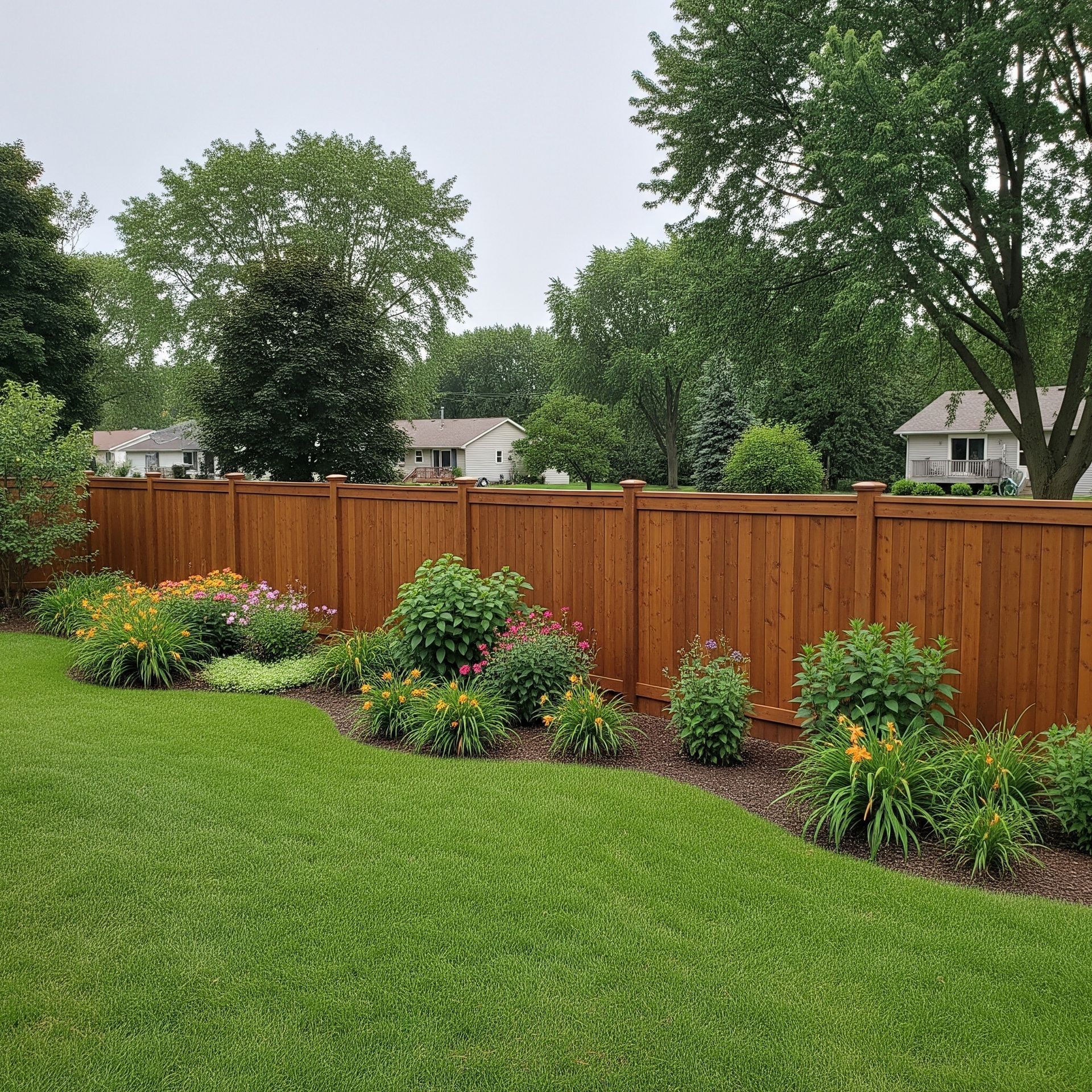
Wood fencing offers a traditional look and flexible design options, but it may need periodic staining, sealing, or painting.
Vinyl fencing provides a clean appearance and generally requires less routine maintenance than wood.
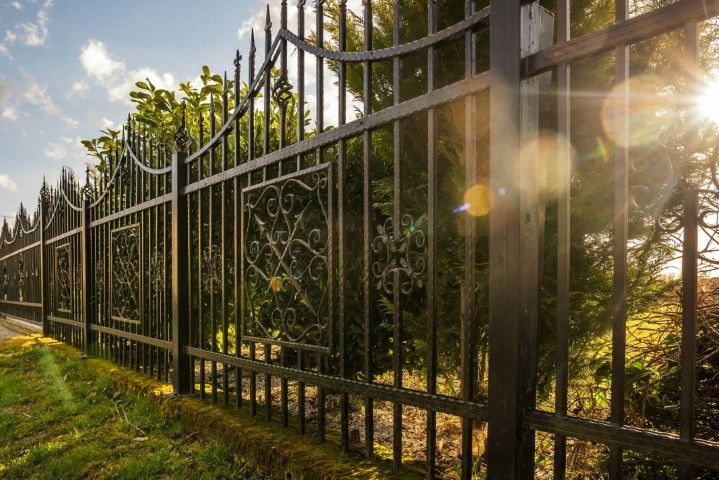
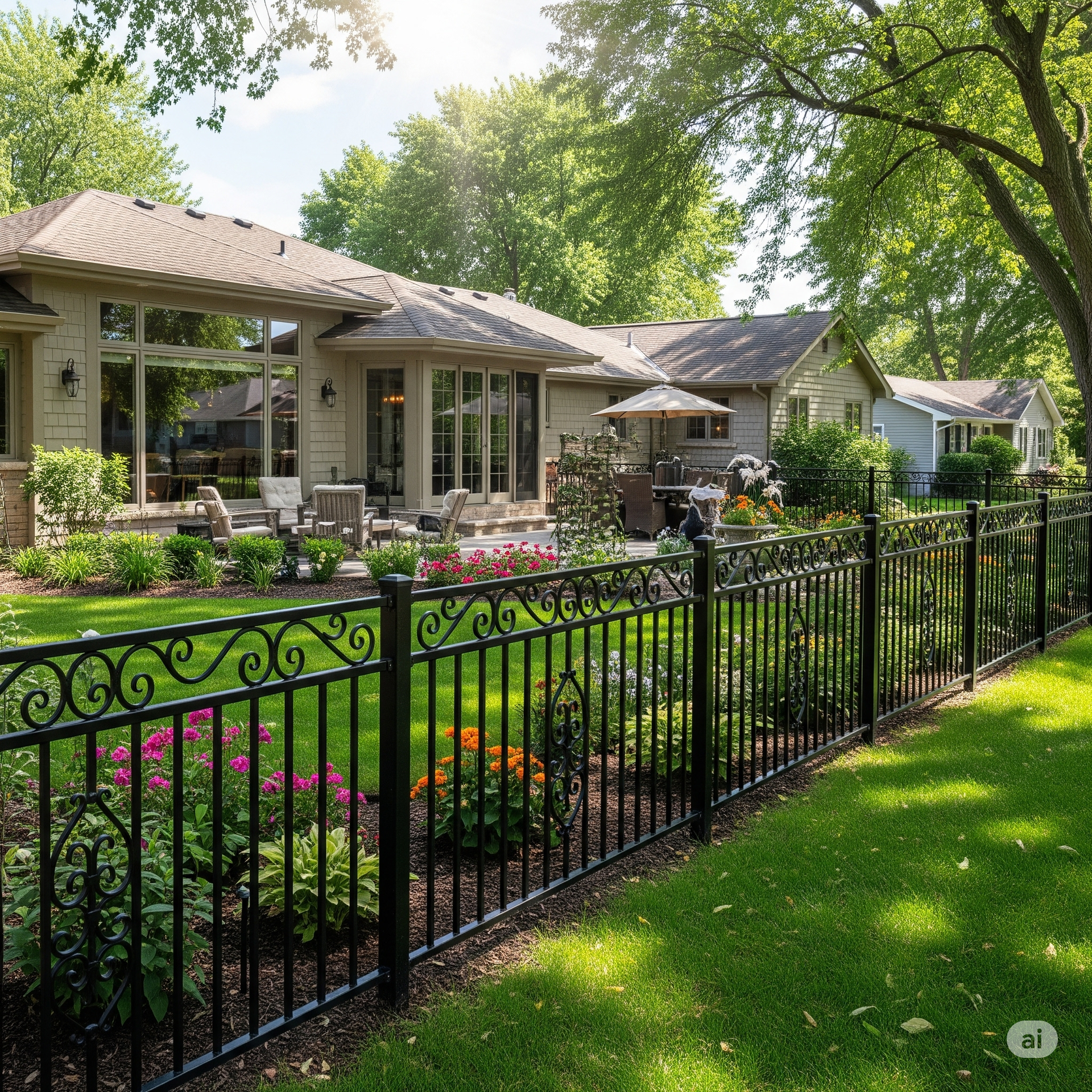
Aluminum fencing can be a good choice for decorative boundaries where visibility is important.
Consider your privacy needs, budget, landscaping, and the style of your home when comparing materials. Finalizing your choice before installation helps ensure that the layout, posts, panels, and gates are planned for the correct fence system.
9. Make Sure the Installation Area Is Accessible
Fence installation often requires materials, tools, and equipment to be moved around the property. Narrow side yards, steep areas, locked gates, and obstacles near the house can make access more difficult.
Before the scheduled work, discuss how the crew will reach the fence line and where materials can be placed temporarily.
You may need to move patio furniture, secure pets indoors, or clear a path through the yard. If the work area is close to a neighbor's property, communicate about access and any temporary inconvenience in advance.
Good preparation helps the installation team focus on the work rather than spending time resolving avoidable access problems.
10. Understand the Installation Schedule
The timeline for a fence project depends on its size, material, layout, site conditions, weather, and any required approvals.
A straightforward fence on an accessible, relatively level yard may be simpler to install than one involving extensive landscaping, difficult terrain, several gates, or an old fence that needs removal.
Ask your contractor what needs to be completed before the scheduled installation and whether any weather or material delays are possible. Having realistic expectations makes it easier to plan around the work.
Prepare Now for a Better Fence Installation
Getting your property ready doesn't have to be complicated. Start with a clear fence plan, confirm your property boundaries, check local requirements, arrange utility marking, and identify any landscaping or access challenges.
These steps can help reduce surprises and create a smoother installation process. More importantly, they help ensure that your new fence fits the property, serves its intended purpose, and works well with your outdoor space.
Planning a Fence Installation in Elm Grove, WI?
If you're preparing to install a fence at your Elm Grove home, Elm Grove Fence can help you explore options that fit your property and your goals.
Whether you need privacy fencing, wood fencing, vinyl fencing, aluminum fencing, decorative fencing, fence gates, fence replacement, repairs, or a custom fence solution, careful planning is an important first step toward a successful project.
Ready to get your fence project started? Contact Elm Grove Fence today to discuss your plans and request a local estimate. By addressing your property's layout, access needs, and preferred fence style early, you can move toward an installation that improves your yard's privacy, appearance, and everyday usability.